
The Budget gives the Greater Cambridge Development Corporation £215m in grants and loans and plans a rates zone for the Biomedical Campus. The A10 misses out.
The Greater Cambridge Development Corporation will get £215 million of government money over three years, according to Wednesday’s Budget. It is a pilot of a new way of funding development corporations. It gives Cambridge’s corporation direct access to government finance to buy land and to invest alongside private developers.
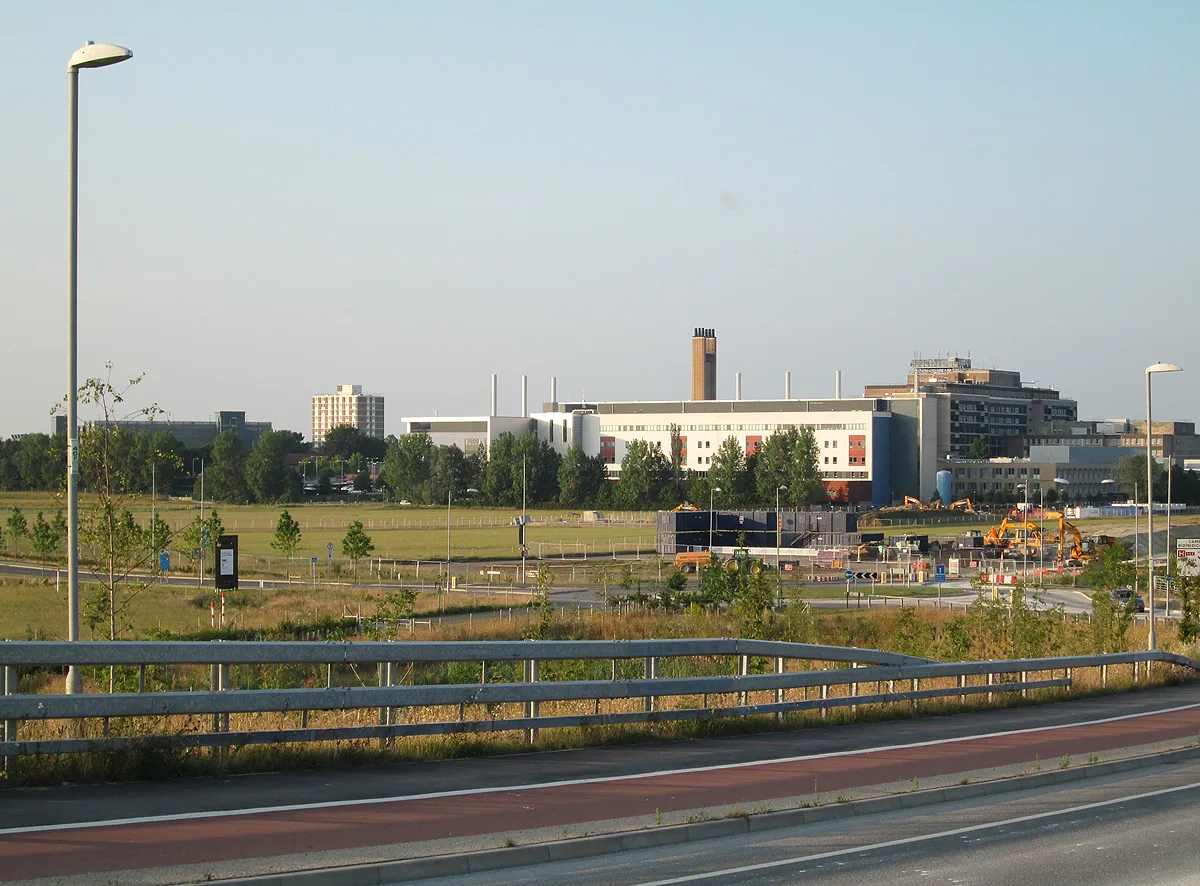
The Budget document also commits the government to agreeing a business rates zone for the Cambridge Biomedical Campus from 2028.
What the £215 million is
The Budget does not give a single total. It lists two separate lines for the corporation, which add up to £215 million:
| Type | 2027-28 | 2028-29 | 2029-30 | Total |
|---|---|---|---|---|
| Repayable finance (financial transactions) | 95 | 10 | 0 | 105 |
| Capital grant | 0 | 50 | 60 | 110 |
| Total | 95 | 60 | 60 | 215 |
Both lines describe the same thing: a pilot of “a new government financing model for land, housing and infrastructure development from April 2027”. The £105 million in financial transactions is money the corporation is expected to pay back. The Budget calls it “repayable finance for infrastructure investments”. The £110 million capital grant is not repaid.
The Treasury says the money is for “land assembly and to invest alongside private partners”. It describes the pilot as “a first step” towards giving development corporations “long-term, flexible government financing”. If it works, it could be extended to a development corporation in Oxford, which the government will consult on by the end of the year.
Why it matters for Cambridge
The government confirmed in June that it would set up the corporation. It is meant to become the planning authority for any scheme of more than 250 homes or new commercial buildings over 5,000 square metres, and to take over writing the Local Plan. Our Cambridge planning news page has the detail.
When it was announced, Cllr Katie Thornburrow, the city council’s leader, asked for clarity on how it would be financed. The Budget is the first detail on that: a line of government money of its own, part grant and part loan.
The Budget does not say which sites the money will go to.
A rates zone for the Biomedical Campus
The Budget names the first wave of Business Rates Retention Zones, run by mayors, in nine areas such as Greater Manchester and the West of England. Cambridgeshire and Peterborough is not in that wave. Instead, the Budget says the government “will continue to work with Cambridgeshire and Peterborough Combined Authority to agree a zone to support the Biomedical campus and development in Cambridgeshire from 2028.”
The Budget says these zones will “unlock commercial development” and “enable more tax to be spent where it is raised”. It gives no boundary for the Cambridge zone and no date more precise than 2028.
Paul Bristow, the Mayor of Cambridgeshire and Peterborough, said making the campus “a special zone for Business Rates will help our region as it expands”. He said the campus “already contributes £4.7 billion to the UK economy every year”, in his statement on Budget day. He said he would work “closely with the Greater Cambridge Development Corporation to make the most of the package”.
Other Budget measures that reach Cambridge
- A tourist tax is coming closer. The government plans to legislate so that all Strategic Authorities, the Combined Authority among them, can introduce an Overnight Visitor Levy.
- Mayors keep more business rates. Mayors will keep a 20% share of locally retained business rates from next year. Income tax assignment for all mayors begins in 2028.
- Council tax on the most expensive homes. The government confirmed the High Value Council Tax Surcharge in England will have a deferral scheme, discounts and exemptions, and a 100% premium for properties left empty for 12 months or more.
What the government is not paying for: the A10
The Budget follows a decision earlier this month to drop the A10 dualling between Ely and Cambridge. The Department for Transport’s October update on the Major Road Network programme lists the “Ely to Cambridge A10 Improvement (Dualling & Junction Improvements)” among 15 schemes removed from the programme after a review. Peterborough’s A1139 University Access scheme went too.
The Mayor said on 15 October that the A10 is “increasingly congested” and that “people travelling to work, school and hospital are losing too much time in queues”. In his statement he said he would take up the roads minister’s offer of a meeting and look for other sources of money.
What it means for you
- Money for land, housing and infrastructure from April 2027, if the pilot starts on time. The Budget does not yet name the sites.
- If you drive the A10 from Ely or Waterbeach, no dualling is coming under the current programme. Today’s roadworks are on our Cambridge roadworks page.
- A tourist tax is possible but not decided. The power still needs legislation, and the Combined Authority would then have to choose to use it.
Have your say