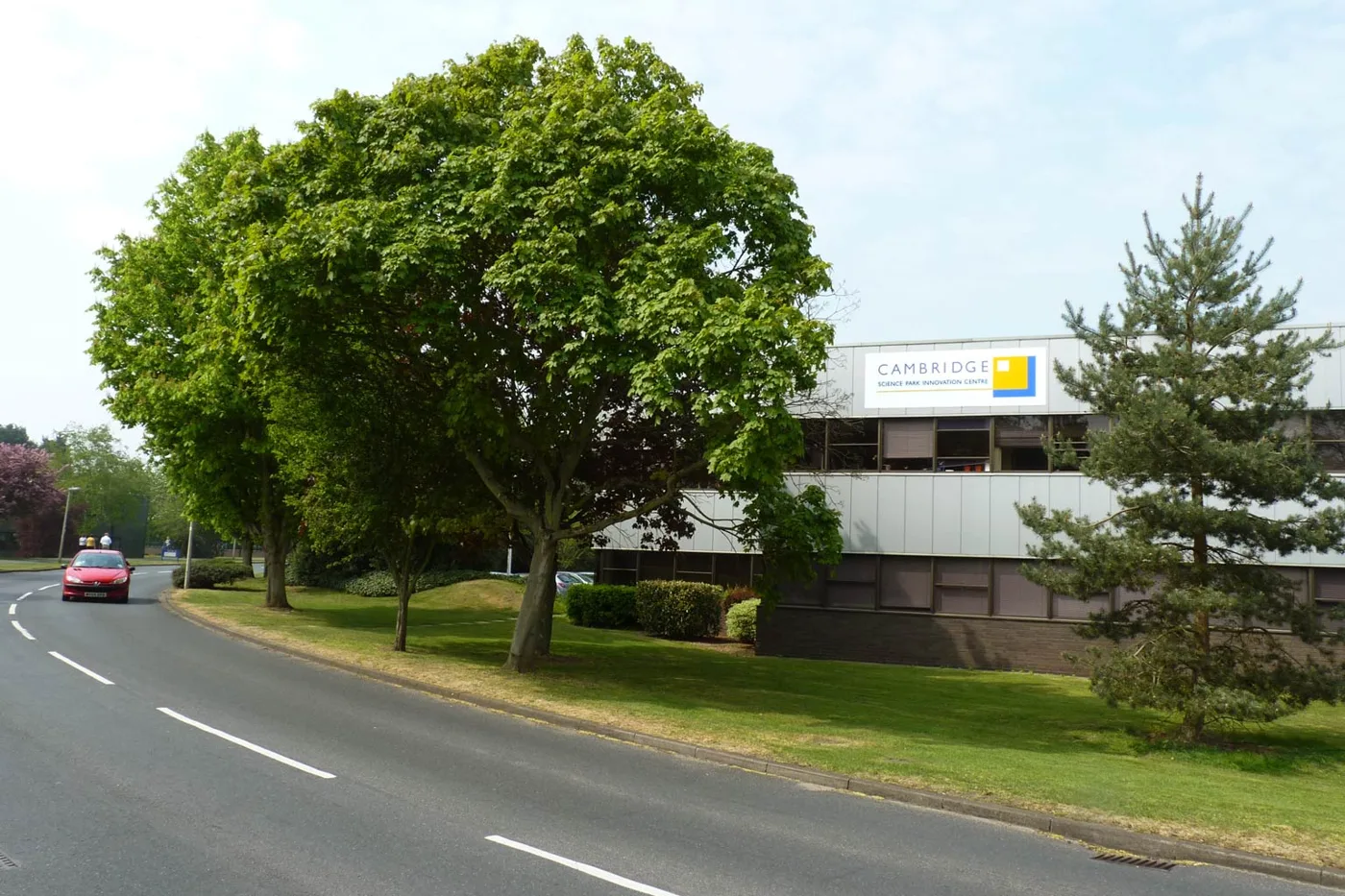

The state-owned British Business Bank will put £2m alongside every qualifying deal made by Cambridge Capital Group, a city angel network behind 150+ firms.
Cambridge Capital Group, one of the oldest business angel networks in the country, has secured a £2 million commitment from the British Business Bank.
The government-owned bank announced the deal on Wednesday 21 October. The money will be invested alongside the Cambridge network’s members in every qualifying investment they make. That means a start-up backed by the group’s angels can now draw extra cash from the bank in the same round. The bank’s press release sets out the terms.
Who Cambridge Capital Group is
The group was set up in Cambridge in 2000. It is a network of private investors, business angels and family offices who put their own money into early-stage technology companies.
According to the bank’s announcement:
- the group has invested more than £50 million in over 150 companies in its 25 years
- its members have had more than 25 successful exits from that portfolio
- it is run by its founder, Struan McDougall, and director Jayne Parker
The group’s own website lists some of those exits. They include Featurespace, the Cambridge fraud detection firm bought by Visa, and IQGeo, bought by KKR. Keyboard app maker SwiftKey, sold to Microsoft, is also on the list.
How the money works
The £2 million comes through the bank’s Regional Angels Programme, which exists to spread early-stage investment more evenly around the UK. The programme’s page puts its total committed capital at £276 million across 23 commitments.
The money does not go to Cambridge Capital Group directly. It is routed through a platform run by Haatch, a venture investor that manages it on the bank’s behalf. Cambridge Capital Group is the seventh angel group to join that platform. Haatch said in February that the bank’s total commitment to the platform had reached £32 million.
Mark Barry, senior investment director at the British Business Bank, said the group had “a long history of making investments which have helped to close gaps in early-stage access to capital”. He said the commitment “will mean that more businesses are able to access the finance that they need to scale and grow”.
Struan McDougall said the co-investment “will add capacity to members’ commitments in our portfolio”. He said it also recognised the group’s long involvement in the development of the British angel investment market.
Fred Soneya, co-founder of Haatch, said the platform lets established groups add capacity “without changing how they source and back companies”.
What it means for you
If you are founding a technology company in or around Cambridge, there is now more money behind one of the city’s longest-running angel networks. A round led by its members can be topped up by the bank without a separate application.
The group says on its page for entrepreneurs that it looks for:
- strong intellectual property and technical differentiation
- large business-to-business markets or attractive niche ones
- founders or teams with expertise in their industry
Its focus sectors include AI, medtech and biotech, robotics, cybersecurity, advanced materials and technical software. Companies can submit a pitch through that page.
Investors who want to join the network and see its deal flow can apply through its investors page. Angel investment is high risk: most early-stage companies fail, and money put into them can be lost entirely.
Have your say