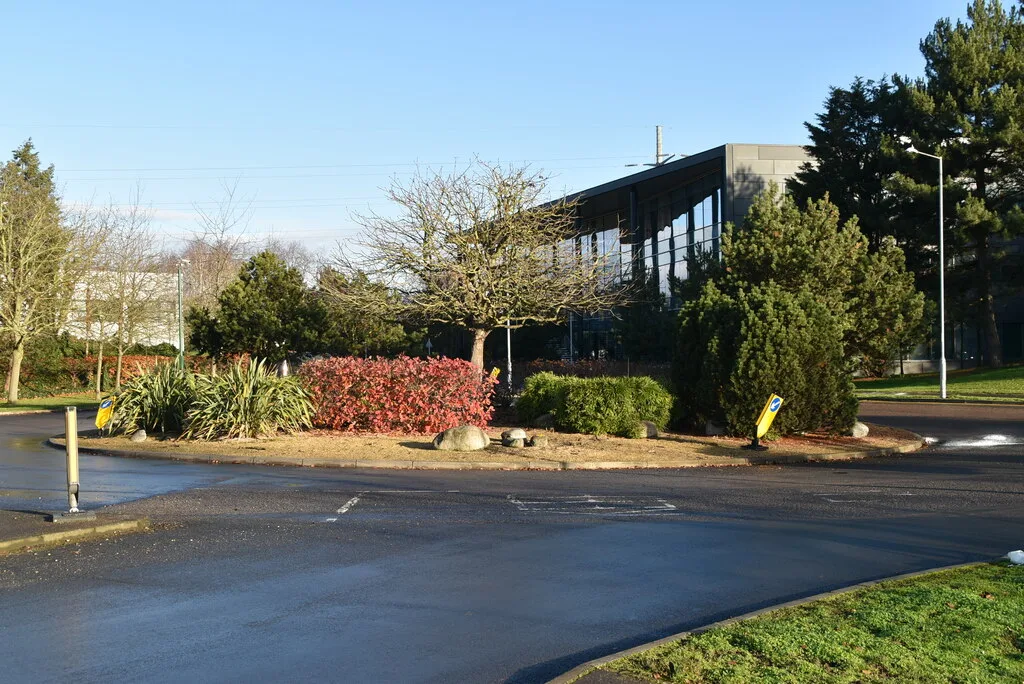

The Cambridge Science Park firm resolved to wind up on 27 August. Its last accounts show staff down to 23 and £28.4m of accumulated losses.
A University of Cambridge spin-out that set out to put pressure sensing into touchscreens has been wound up. Cambridge Touch Technologies Ltd, of Parallax, 270 Cambridge Science Park, passed a resolution to wind up voluntarily on 27 August 2026.
The notice appeared in The London Gazette on 7 September. David Hudson and Geoffrey Paul Rowley of FRP Advisory Trading Limited were appointed joint liquidators the same day the resolution passed. This is a creditors’ voluntary liquidation, the route used when a company’s members resolve to wind it up because it cannot pay its debts in full.
On 9 September the company’s registered office moved from Cambridge Science Park to the liquidators’ address at 110 Cannon Street, London.
What the company did
Cambridge Touch Technologies was spun out of the University of Cambridge in 2011 to commercialise 3D multi-touch technology for phones, tablets, cars and industrial screens, according to Cambridge Enterprise, the University’s commercialisation arm. Its own accounts describe the business as the “design and manufacture of pressure sensitive 3D Multi-Touch technology”.
Cambridge Enterprise invested in the company’s $5.5m Series A1 round in May 2018, alongside Parkwalk Advisors, Amadeus Capital Partners, China Materialia of Shanghai and Downing Ventures.
The company’s website did not respond when we checked it on 14 September.
What the last accounts show
The final accounts on the register cover the year to 30 September 2025 and were signed on 13 February 2026. They are small-company accounts, so there is no published turnover or profit figure, but the balance sheet and notes are revealing.
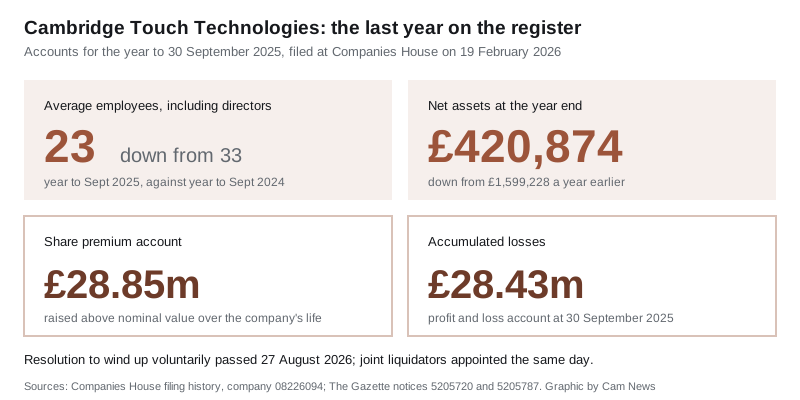
- Staff. The average monthly number of employees, including directors, was 23 in the year to September 2025, down from 33 the year before.
- Net assets. Down from £1,599,228 to £420,874 in twelve months.
- Money raised. The share premium account stood at £28,854,352, against accumulated losses of £28,433,502.
- Fresh investment. During that same year the company issued 202,107 Preference 2 shares for a total of £2,299,976.
- Rent. It was committed to £273,271 a year under a non-cancellable lease, with £546,542 still to run at the balance sheet date.
The directors signed a going concern statement in February, saying the company had adequate resources to continue for at least twelve months. The winding-up resolution followed six months later.
Trade creditors stood at £360,439 at the year end, up from £313,899, and money owed in tax and social security had risen from £48,707 to £221,069.
What it means for you
- If you are owed money, the liquidators’ contact is Elena Joannides at FRP Advisory, named in the Gazette notice. Creditors deal with the liquidators, not the company.
- If you worked there, employees of an insolvent company can claim redundancy pay, notice pay, unpaid wages and holiday pay from the government through the Redundancy Payments Service, and the liquidators should provide a case reference.
- A liquidation is a matter of public record, not a judgement on anyone. The Gazette notice records the resolution and the appointment; it says nothing about why the business ran out of road, and neither the company nor the liquidators have published a statement of affairs at this stage.
- The Cambridge Science Park unit is a long leasehold interest in the accounts, valued at £135,543 net of depreciation at September 2025.
Not every Cambridge science business is shrinking. In the same fortnight the first building of GSK’s research centre on Cambridge Biomedical Campus was declared complete, and the Medical Research Council’s £20m organoid hub is being built on the same campus. The registers record failures far more reliably than successes, so a liquidation notice is a fact about one company rather than a verdict on the sector.
Sources
- The Gazette, notice 5205720, resolutions for winding-up, 7 September 2026 for the 27 August resolution, the liquidators, the registered and trading address and the liquidators’ contact.
- The Gazette, notice 5205787, appointment of liquidators, 7 September 2026 for the company number, the nature of business and the date of appointment.
- Companies House filing history for Cambridge Touch Technologies Ltd (08226094) for the registered office change on 9 September and the accounts to 30 September 2025, which carry the employee numbers, net assets, share premium, accumulated losses, share issue, lease commitments and creditors.
- Cambridge Enterprise, “Spin-out Cambridge Touch Technologies taps $5.5m new investment”, 31 May 2018 for the 2011 spin-out and the Series A1 investors.
Have your say