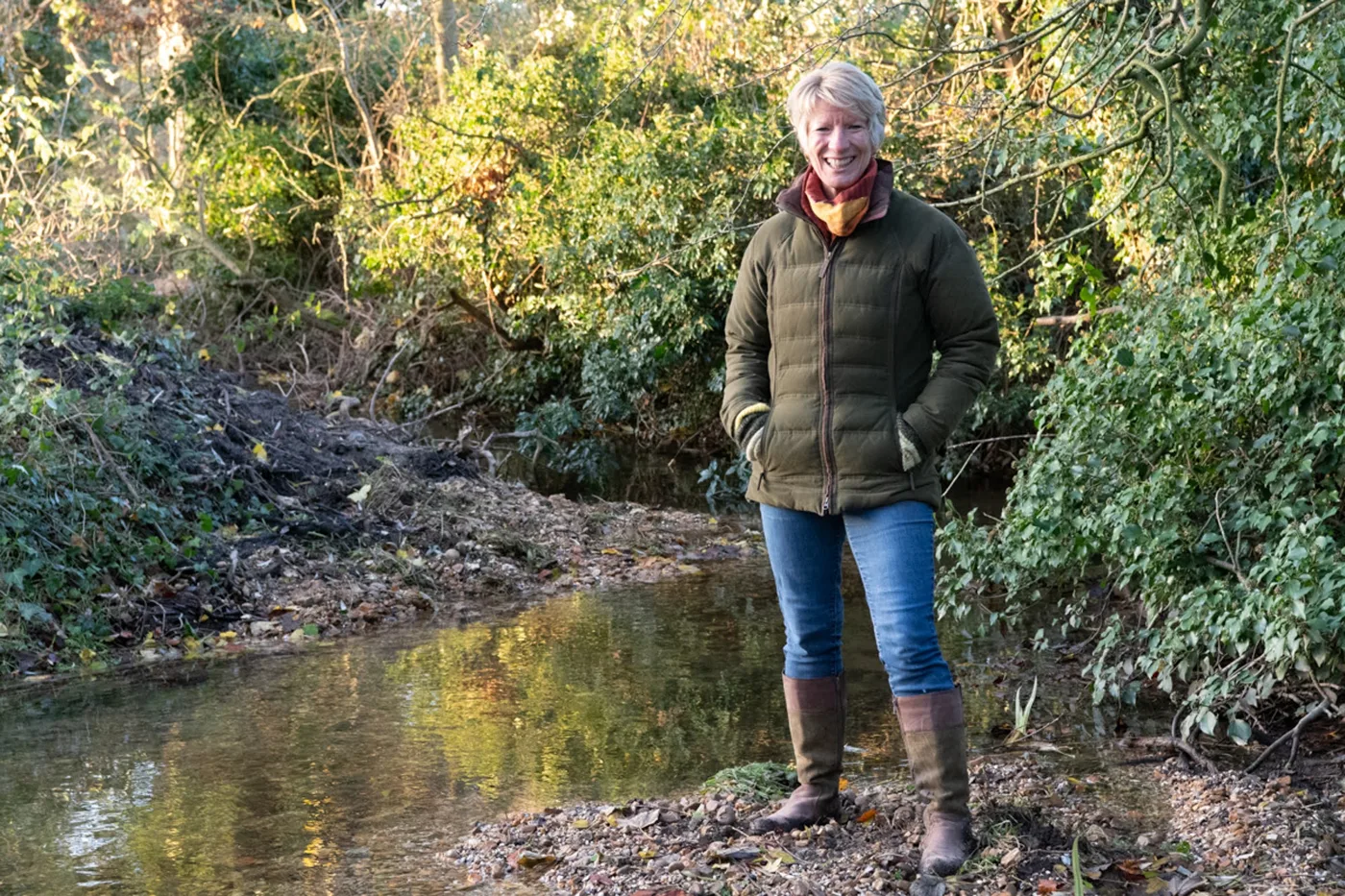

Pippa Heylings says the eight new regional water councils have no power to stop sewage and wants a Clean Water Authority. Cambridge is named in the plan.
South Cambridgeshire’s MP, Pippa Heylings, has called the Government’s new regional water councils “a cover for excusing the next decade of inaction on water”, even though the announcement singles out Cambridge as a place where drought and water shortages have held back growth.
The Department for Environment, Food and Rural Affairs announced eight regional water councils on 5 November. Each will bring together local leaders, customers and businesses to set priorities for their region’s water and flood investment. Ms Heylings, the Liberal Democrat MP, says ministers have not named a single power the councils will have to stop sewage going into rivers, and that the Water Bill promised to deliver reform has still not appeared.
Why Cambridge is in the announcement
The Government’s own release uses Cambridge as one of two examples of what has gone wrong. “From Lake Windermere, where discharge of sewage has damaged local tourism, or in Cambridge, where drought and water shortages have stalled growth, local areas have not had enough influence over the decisions that directly affect them,” it says.
It also points to Water Resources East, the East Anglian partnership, which it says has brought partners together “to tackle severe water scarcity, including the constraints it places on sustainable growth in Greater Cambridge”. The new councils are meant to build on partnerships like that one across England.
According to the Government, the councils will cover sewage and water quality, flooding, drought and future water supplies. Local leaders have been asked to send proposals for how they want to run them by the end of the year. Each council will then write a plan setting out the biggest pressures on its region’s water system and the investment needed. Mayors will also get new powers under a strengthened Water Bill to hold water companies to account, the announcement says.
What the MP says
Ms Heylings said:
“The Government has dressed up these water councils as community empowerment, but it’s clear already that this is just a cover for excusing the next decade of inaction on water. The Secretary of State herself couldn’t spell out a single power these councils will have to stop our waterways being trashed.
“Here in South Cambridgeshire, we know exactly what is at stake. Our chalk streams are under pressure, families are paying ever higher bills, and the shortage of water is holding back the homes and jobs our area needs. People here don’t need another committee to tell them that. They need action, and they need it now.
“What bill payers really need is a new Clean Water Authority with the muscle to end the sewage scandal, ban unjustified bonuses and hold water executives legally accountable. The Liberal Democrats have led the fight to clean up our rivers, and I will keep pushing the Government to bring forward its Water Bill and deliver the real reform our communities deserve.”
Her office says she is pressing ministers to put South Cambridgeshire’s chalk streams and growing communities first, “not to hand them another talking shop”.
The Government’s case
The Environment Secretary, Dame Angela Eagle, said in the announcement: “I am determined to put the public at the heart of decision-making, shaping what their bills will be spent on, so they can see real differences happening in their communities.”
The Prime Minister, Andy Burnham, said that “for the first time, local people will have a real say over what they need from their water company, whether that is cleaning up polluted rivers, building new reservoirs or protecting homes from floods.”
The Government also points to new powers for automatic fines and criminal liability for water bosses who cover up or hide sewage spills. More detail on its approach to the water industry is due in a 10-year plan for Britain later this year.
Not every voice in the announcement was unqualified. Richard Benwell, chief executive of Wildlife and Countryside Link, said the councils “must have the powers and funding to deliver”, which is close to the gap Ms Heylings is pointing at.
What it means for you
- If you live in Greater Cambridge, water shortage is now officially recognised as a brake on growth here, and the new council for this region will be one of the places where decisions on supply and new reservoirs are argued over.
- If you care about the chalk streams, the councils’ remit includes water quality and sewage, but what they can actually force a water company to do has not yet been set out.
- What to watch: local leaders’ proposals for running the councils are due by the end of 2026, and the Water Bill has not yet been published.
Cambridge Local News will report the shape of the council covering Cambridge when its proposals are published.
Have your say