
The Greater Cambridge Development Corporation will ask residents to shape a vision to 2060 and set its own targets by the end of 2028. Published 10 November.
The Greater Cambridge Development Corporation will spend the next year asking residents, businesses and councillors what Cambridge and South Cambridgeshire should look like by 2060, and will not set the targets it is to be judged on until the end of 2028. Both promises are in its first public document, a Statement of Intent signed by its board and published on Tuesday 10 November.
The corporation was set up in July, after a public consultation in February and March and a debate in Parliament. It covers the city and South Cambridgeshire, and the government calls it a 25-year commitment. Its job, in the board’s words, is “to help Greater Cambridge thrive as Europe’s leading innovation city, ensuring that growth delivers a better quality of life and makes it the best place to live, work and innovate.”
The statement is mostly about intent rather than schemes. It names three places where the corporation is already working, sets a handful of dates, and is frank about the strain growth has put on the area.
What it says is wrong now
The board does not dress up the problem. “This growth success has put great strain on our infrastructure, largely designed to serve a much smaller city,” the statement says. “The roads are congested and the transport infrastructure stretched; water resources are under significant pressure; homes are increasingly unaffordable, with more people being priced out of where they want to be.”
It calls water scarcity “a significant challenge facing Greater Cambridge’s long term future”. The corporation says it is backing pilots for water reuse and recycling, working with farmers on storing rainwater, and running technical studies on transport, water, environmental infrastructure and economic growth. On transport, it is working with the Combined Authority, the Department for Transport and the county council as highways authority “to make the case for sustained and coordinated investment in mass rapid transit solutions”.
The dates it has set
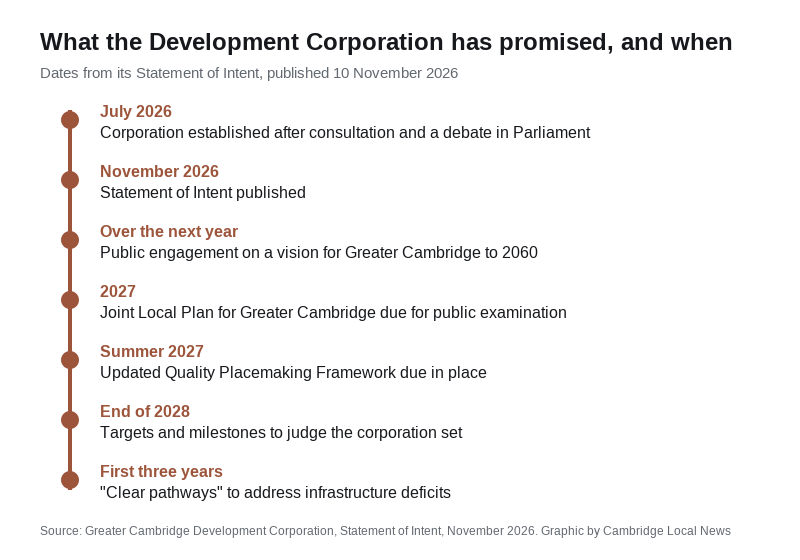
- Over the next year: engagement with residents, businesses and other groups on a vision for Greater Cambridge “to 2060 and beyond”. That vision will underpin the corporation’s long-term plan and feed into the regional Spatial Development Strategy.
- 2027: the first joint Local Plan for Greater Cambridge is due for public examination. Our report on the Local Plan exhibitions covers what it proposes.
- Summer 2027: an updated Greater Cambridge Quality Placemaking Framework, setting the standards new development must meet. The corporation says it will apply them where it owns land or is master developer, and “hold others to account contractually”.
- End of 2028: “a clear set of targets and milestones” against which its performance, its effect on residents’ quality of life and its impact on the national economy will be measured.
- Within the first three years: “clear pathways to address the infrastructure deficits”.
The three places it names

Cambridge East. The 700-acre former Marshalls site, bought by the Hill Group and Homes England, is described as one of the “most significant and exciting new development opportunities for Greater Cambridge”, with the potential to become “a thriving new city quarter”. The corporation says it is “investing resources and expertise” in a vision for the site. It is already part of a study, with Cambridge United and Hill, into a 15,000-seat stadium there.
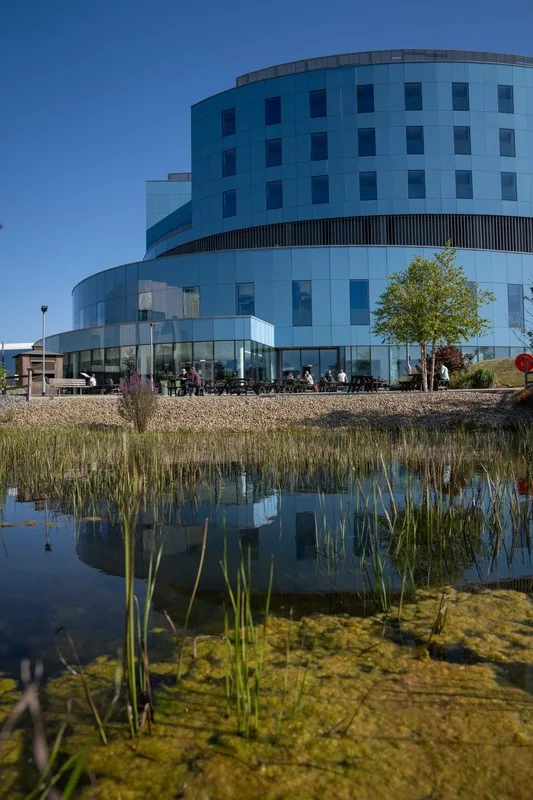
Cambridge Biomedical Campus. The statement calls it “already Cambridge’s largest employment site” and says the corporation is supporting “the next phase of sustainable development, regeneration and access” there, including new acute medicine “aligned to a new healthcare services model”. The Budget last month promised a business rates zone for the campus from 2028, as we reported.
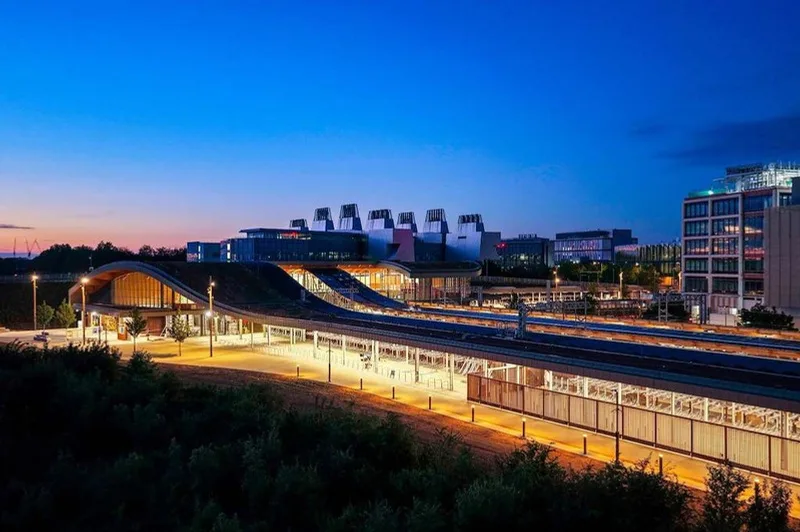
Around the stations. With East West Rail and others, the corporation is looking at regeneration around “core transport hubs including the Cambridge central station, Cambourne and in developing plans for Cambridge East”.
Money and powers
The statement says the cost of fixing Greater Cambridge’s infrastructure over the next five to 20 years “is likely to run into tens-of-billions of pounds”. The corporation will be able to buy and assemble land, prepare it for development, sell it and “capture the resulting uplift in land value to reinvest in strategic infrastructure”. Powers to sign Section 106 agreements and receive Community Infrastructure Levy money are “in progress”.
Subject to parliamentary approval, it will also become a planning authority. The statement says residents will keep the formal right to comment on planning policies and applications, and that the corporation will draw on the Greater Cambridge Shared Planning Service.
The board members are interim. The government plans “a competitive appointments process” in the coming months, after which members will typically serve one or more three-year terms. Elected members keep their seats.
What the board members said
Peter Freeman, the chair, said: “We are at the outset of a transformational journey, one that will harness our collective efforts to make Greater Cambridge an even better place to live, with greater opportunity and stronger economic prosperity. Our statement of Intent sets out the first steps we will take towards delivering that mission.”
Paul Bristow, the Mayor of Cambridgeshire and Peterborough, tied it to his own growth plan. “Greater Cambridge’s continued success matters to the whole of Cambridgeshire and Peterborough, and that starts with investing in the infrastructure that growth needs: better transport, enough water and more homes,” he said. “So I’m pleased that this statement of intent commits the Corporation to clear pathways for tackling those deficits which have held us back for too long. My ambition in our region’s Local Growth Plan is to triple the size of our economy by 2050, and working with the Corporation and local partners will help us get there. The real test of success will not just be a stronger economy, but whether growth opens up new opportunities and means better lives for people across our communities.”
Cllr Bridget Smith, leader of South Cambridgeshire District Council, said: “Greater Cambridge’s success brings huge opportunities, but the decisions we take now will shape our communities for decades to come. That’s why it’s so important local people are genuinely involved in the conversation, and growth is supported by things residents need, from transport and water to community facilities and green spaces. We must also make sure nature is part of the solution. Done well, growth can strengthen our economy, support thriving communities and leave the environment in a better state for future generations.”
Cllr Katie Thornburrow, leader of Cambridge City Council, said the corporation “is a clear statement of the government’s commitment to Greater Cambridge”. She added: “The expertise and focus that the Development Corporation brings will be key to enabling us to build more council homes too, and improve people’s quality of life across the region. With this statement of intent we are demonstrating our commitment to transparency in how we work. The Development Corporation can only succeed in its mission to deliver sustainable, inclusive growth if [it] is supported by and accountable to everyone who lives, works and invests in Greater Cambridge, and openness is vital to securing that support.”
Cllr Lucy Nethsingha, leader of Cambridgeshire County Council, said the statement was “an important milestone”, adding: “I hope it will reassure many who are worried by the scale of growth in our area. Publishing our shared vision for sustainable growth in and around Cambridge will give clarity in what we are trying to achieve.”
Nature, skills and jobs
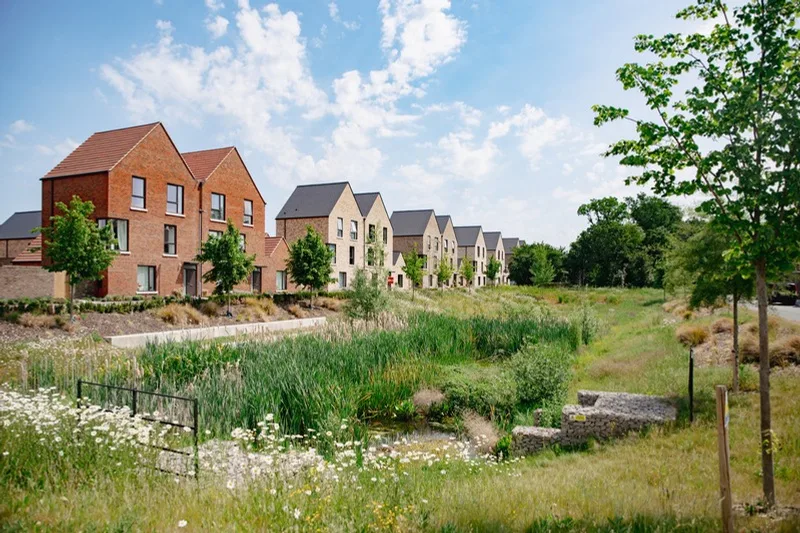
The corporation commits to the 2025 Oxford-Cambridge Growth Corridor Environment Principles and to backing the Local Nature Recovery Strategy’s plans to connect chalk streams, wetlands and woodlands, work it says will “contribute towards replenishing the chalk aquifer”. It promises long-term stewardship so that parks and community buildings in new neighbourhoods are looked after once they are built.
On jobs, it says it has been principal sponsor of the Cambridge Science Centre’s Building a Better Future programme and has backed Included, a city council scheme to get young people into careers. It is “actively exploring” an apprenticeship programme within its own teams and will build social value rules into its buying.
How you will be asked
The statement sets out three levels of involvement:
- The big strategic choices: the corporation is “exploring” deliberative methods, such as panels chosen to reflect the area’s communities, drawing on earlier regional assemblies.
- Local schemes: co-design or community review panels where it is building or delivering infrastructure. It is “exploring the early establishment of a Community Review Panel”.
- Planning: the usual statutory right to comment on policies and applications once it becomes a planning authority.
It promises to “show how views have helped to shape decisions and explain our reasoning when different conclusions are reached”.
What it means for you
- Nothing changes on your street yet. The statement names no new scheme, budget or boundary. It is a list of commitments.
- Watch for the 2060 vision engagement over the next year. It is the first chance to influence what the corporation pushes for, before any planning application. We will report when it opens; our Cambridge planning news page tracks the wider picture.
- Big planning decisions are moving. Once Parliament approves it, the corporation becomes a planning authority. You keep the right to comment on applications.
- Judge it at the end of 2028, when it has promised to publish the targets it should be measured against.
The full statement is on the corporation’s website.
Have your say